Entry · Ref KUVRD32D
Professional Sewer Cleaning and Septic Repair Solutions for Houses and Organizations in Eugene
- Posted
- 2026-10-21
- Last amended
- 2026-10-21
- Account
- @beaubryt638
Business Name: Royal Flush Environmental Services
Address: 2640 State Hwy 99 N, Eugene, OR 97402
Phone: (541) 687-6764
Royal Flush Environmental Services
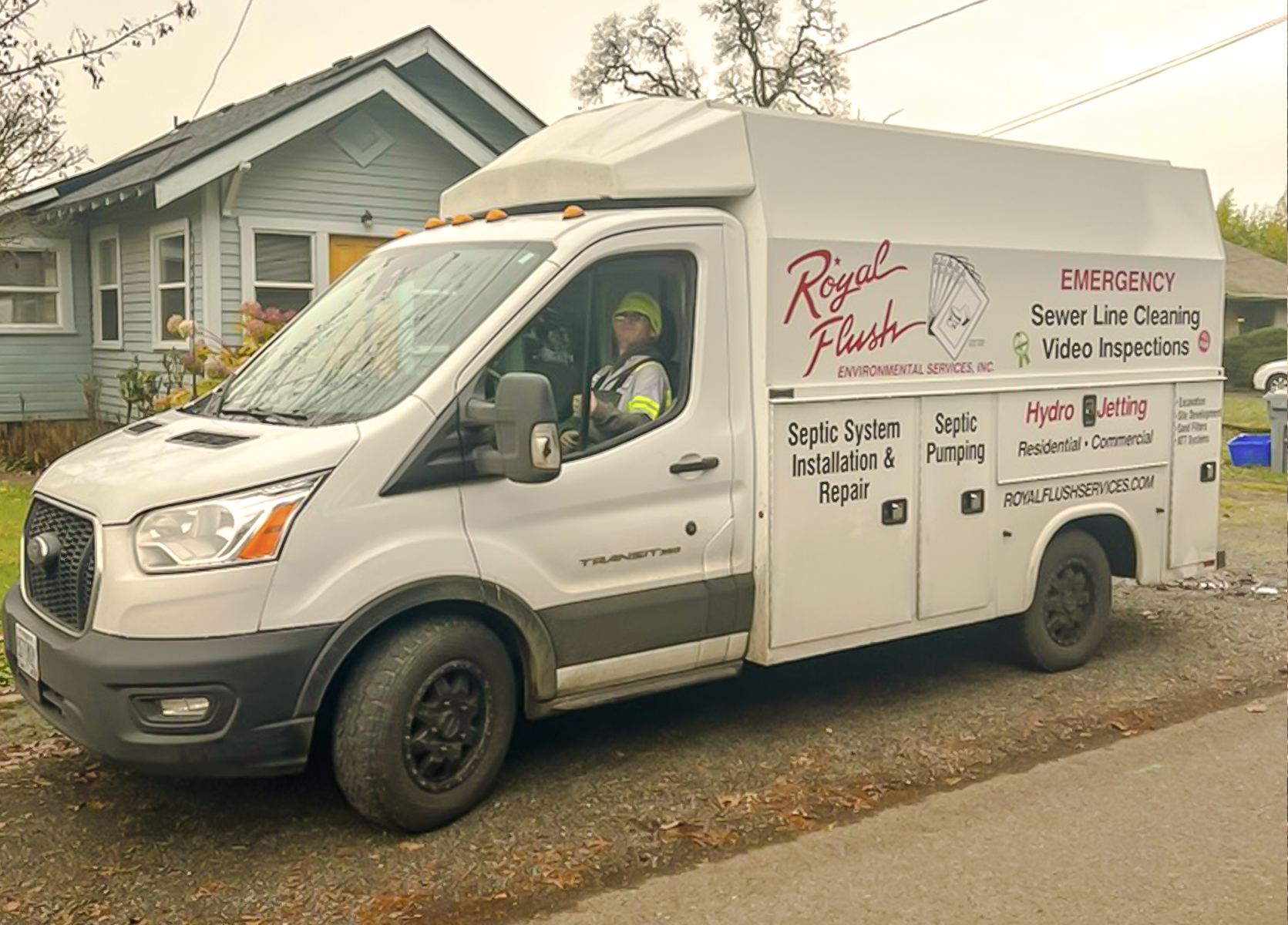
Royal Flush Environmental Services is a plumbing company offering a full range of septic system services, including cleaning, installation, and repairs. Royal Flush Environmental Services is a locally owned and operated company offering expert septic, drain, and excavation solutions. Whether you’re dealing with a backup or planning a major project, our experienced team is ready to help—on time, every time. Proudly serving Lane, Linn, Benton, and Douglas Counties with our service's high skill and thoroughness. No job is too big or small for our highly skilled team.
2640 State Hwy 99 N, Eugene, OR 97402
Business Hours
Sewer and septic issues have a way of appearing at the worst possible minute. A kitchen area sink backs up right before dinner service begins. A washroom on the commercial side of a property starts to smell wrong on a Monday early morning. A damp patch appears in the yard after a stretch of rain, and suddenly everyone is walking the concern rather of dealing with it. In Eugene, where older homes sit beside newer advancements and numerous residential or commercial properties still depend upon septic systems, the line in between a small annoyance and a severe pipes failure can get crossed quickly.
That is why sewer cleaning, drain cleaning, septic pumping, septic installation, and septic repair are not simply maintenance tasks. They become part of securing the structure, the soil around it, and individuals utilizing the building every day. A solid system runs silently. When it stops doing that, the indication generally show up before the real damage does, but just if somebody knows what to look for.
What sewer and septic systems are truly doing behind the scenes
Most people think of pipes as the pipelines inside the walls and the fixtures they can see. The concealed part of the system matters just as much. Sewer lines move wastewater away from the structure, and septic systems separate, shop, and deal with that wastewater on site when a home is not linked to local sewer service. If either side of that procedure gets blocked, broken, undersized, or overloaded, trouble begins building.
For homes, the first ideas are frequently slow drains, gurgling components, or repeating backups in the exact same sink or tub. In services, especially restaurants, multifamily properties, and light commercial buildings, the indication can show up faster since the system sees heavier use. A line that deals with moderate home circulation may struggle when multiple restrooms, dish locations, or laundry devices all feed into it. A sewage-disposal tank that has worked fine for years can become a liability if it is never ever pumped, if the drain field is stressed out, or if a previous owner added plumbing without enhancing the system to match.
The helpful feature of this work is that the cause is typically identifiable. Grease accumulation, root intrusion, settled pipeline, damaged joints, sludge build-up, or a stopping working drain field each leave a different footprint. Experienced service technicians do not simply clear an obstruction and leave. They look at why the issue formed, because that is what identifies whether the repair lasts.
Why Eugene residential or commercial properties need a useful maintenance mindset
Eugene has its own rhythm when it comes to pipes and wastewater systems. Older communities may still have aging sewer laterals, clay pipe, or areas that were repaired more than once over the years. Trees are part of the city's charm, however roots are ruthless when they discover wetness and small gaps in pipeline joints. Wet weather can also reveal issues that were currently there, considering that saturated soil and heavy runoff make drainage concerns simpler to spot.
On septic homes, the local environment matters too. Soil conditions, lot size, slope, and water use patterns all affect how well a system performs. A septic system that is designed correctly can serve a home for several years, however it still requires care. Septic pumping is not optional maintenance. It gets rid of accumulated solids before they escape into the drain field and shorten the life of the whole system. Avoiding that service tends to be costly later on, and the expense generally appears as septic repair rather of regular maintenance.
For business properties in Eugene, the pressure is different however simply as genuine. A backup in a retail washroom, office complex, or food service area affects operations right away. Downtime costs cash, damages trust, and can develop sanitation concerns. Entrepreneur typically require sewer cleaning that is fast, comprehensive, and recorded, particularly if the issue involves repeat clogs or compliance-sensitive settings.
The distinction in between drain cleaning and sewer cleaning
People frequently use the terms interchangeably, however they are not the exact same job. Drain cleaning generally concentrates on smaller sized branch lines inside a structure, the sort of line that serves a sink, shower, tub, or flooring drain. Sewer cleaning handle the bigger line that carries wastewater from the building to the city connection or septic system. A blockage in either location can feel similar from the component level, but the scope of the work is different.
Drain cleaning might solve a single slow shower drain brought on by hair and soap accumulation. Sewer cleaning, on the other hand, can involve augering, high-pressure water jetting, or cam inspection to get rid of grease, scale, roots, or collected debris much deeper in the line. A technician who works both sides of the system can generally tell whether the trouble is isolated or systemic. That matters, due to the fact that a homeowner may think they require another fast fix when what they actually need is to deal with a sagging sewer line or a tree root issue that keeps returning.
One of the typical errors I see is assuming that if water eventually decreases, the line is fine. That is not a reputable test. Partial blockages frequently allow some water through while developing pressure behind the obstruction. By the time the drain totally supports, the line has typically been struggling for a while.
Signs that ought to not be ignored
Certain signs show up once again and once again before a significant plumbing failure. A single sluggish sink is something. Numerous fixtures draining badly at the exact same time is various. The same opts for odors that seem to come and go, or a toilet that bubbles when another fixture is used.
Here are the signs that deserve attention before the issue gets more expensive:
- Repeated backups in the same drain or toilet, even after momentary clearing.
- Sewage odors inside the building or near the backyard, particularly around the septic area.
- Gurgling sounds from drains, toilets, or flooring drains after components are used.
- Soggy soil, brilliant green patches, or standing water near a septic drain field.
- Slow drains impacting a number of spaces or multiple tenants at once.
Those signs do not constantly suggest the exact same thing, but they do imply something is incorrect. A professional can frequently separate a simple blockage from a more severe line failure by integrating observation with a camera inspection or circulation test. That type of diagnosis saves time and avoids unneeded digging.
Septic pumping is routine until it is not
Septic pumping is one of those services that individuals delay because the system appears fine. That is reasonable, but it is likewise how tanks get overwhelmed. Solids settle in the tank and eventually construct into layers that require to be gotten rid of. If the tank is left too long between pumpings, solids can take a trip into the outlet and then into the drain field, where they clog the soil and lower absorption.
How frequently should a tank be pumped? There is no single response that fits every home. Use, household size, tank capacity, and system design all impact timing. A bigger household or a company with heavy wastewater circulation may need service regularly than a smaller sized home. Instead of thinking, it is better to use the tank's condition, the quantity of accumulation, and the system's age to set a schedule. Numerous property owners find out the hard method that waiting until a backup appears is already too late.
Good septic pumping is not practically getting rid of waste. It is also a possibility to examine the tank, baffles, covers, and inlet and outlet conditions. When that inspection is done carefully, small defects can be captured before they end up being septic repair emergencies. I have actually seen tanks that looked fine on the surface area however had a cracked outlet tee or a cover that had actually started to stop working. Those are the sort of issues that do not fix themselves.
When septic repair becomes the ideal answer
Not every septic problem indicates the entire system requires to be replaced. In a lot of cases, septic repair can bring back function if the damage is localized or the concern is captured early. Broken covers, harmed pipelines, stopping working pumps, root intrusion, broken distribution boxes, and compromised elements can frequently be fixed without restoring the whole system.
The difficulty is understanding when repair suffices drain cleaning and when the system has reached completion of a workable service life. A drain field that has ended up being saturated due to the fact that of long-term overload might not recover with a simple repair. Likewise, a tank that was set up small for the actual use of the residential or commercial property may continue to have a hard time no matter how carefully it is pumped. Experienced service technicians weigh the condition of the tank, the drain field, the soil, and the residential or commercial property's water use before recommending a course forward.
Repairs ought to be grounded in what the system can reasonably support. A homeowner may request the most inexpensive option, which is reasonable, but the cheapest fix is not always the least costly gradually. Replacing a stopped working element without correcting the cause can suggest paying twice.
Septic installation requires more than putting a tank in the ground
Septic installation is one of the most technical parts of this field due to the fact that the system needs to work with the residential or commercial property, not versus it. Soil type, slope, groundwater levels, constructing size, anticipated tenancy, and local code requirements all form the design. A properly installed septic system should manage everyday use, seasonal changes, and long-lasting wear without creating surface issues or contamination concerns.
The finest installations begin with site evaluation. Where does water naturally proceed the lot? Exists enough room for the drain field? How far is the system from wells, structures, and residential or commercial property boundaries? What type of soil percolation is offered? These questions are not paperwork workouts. They identify whether the system will operate dependably for several years or become a recurring maintenance problem.
A rushed septic installation can create a home full of headaches. Tanks positioned too shallow, drain fields installed in poor soil, or small systems all cause early failure. The outcome is typically a more expensive repair cycle later on. A thoughtful installation might cost more at the start, however it provides the property a steady structure and less surprises.
Commercial properties bring a different set of demands
Homes and services both need reliable wastewater systems, however companies typically push those systems in more difficult ways. Restaurants produce grease and food particles that can overwhelm lines if grease management is poor. Office complex may see high peak usage during the workday. Multi-tenant homes can create uneven demand, where one system uses the system normally while another sends out repeated debris through it. Industrial spaces may include wastewater qualities that require careful planning.
For industrial owners, sewer cleaning is often as much about prevention as emergency response. Routine service reduces the opportunity of unexpected closures and assists keep restrooms, break spaces, and production spaces operational. It is likewise practical to keep records of upkeep, specifically if the building has had actually repeated problems. That history informs a technician whether the blockage is due to one-off misuse or a structural line problem.
Businesses also need action times that respect operations. A backed-up sewer line in a home is disruptive. In a commercial space, it can quit working, impact customers, and damage floor covering or stock. That is why industrial sewer cleaning and septic repair requirement to be managed with both speed and judgment. Fast matters, however precise diagnosis matters more.
How experienced professionals approach issue solving
Good pipes work hardly ever starts with a guess. It begins with listening. What components are impacted? When did the problem start? Has it happened before? Existed rain, building and construction, tree work, or a change in water utilize? Those information matter since they narrow down the field before the tools come out.
From there, the work typically consists of inspection, cleaning, and verification. A video camera inspection can reveal roots, stubborn bellies in the line, breaks, offsets, or heavy scale buildup. Hydro jetting can clear grease and particles from sewer lines when regular snaking is inadequate. Septic inspection can show whether the tank is overdue for pumping or whether an element has stopped working. The point is not simply to restore circulation, however to comprehend whether the system can hold up after the repair.
There is likewise judgment associated with understanding when not to overwork an old line. A breakable pipeline can collapse if excessive force is used. A fragile septic part might need cautious access rather of aggressive digging. Experience is often less about having the strongest tools and more about picking the ideal level of force for the condition of the system.
What homeowner can do before requiring help
There is a limitation to what a property owner ought to try out their own, specifically if sewage is included. Still, a couple of useful observations can help accelerate the diagnosis and make the repair smoother. If the problem is restricted to one fixture, note whether it has taken place before and whether other drains are affected. If the problem appears septic-related, take note of odors, damp soil, and whether the tank has been pumped just recently. If an industrial building has repeating backups, note which fixtures are tied to the problem and whether the issue worsens throughout peak usage.
When individuals can explain the symptoms plainly, professionals can move faster and prevent unnecessary work. That conserves time and often minimizes cost. It also helps distinguish between a simple drain cleaning job and something that needs sewer cleaning, septic pumping, or a more involved septic repair.
A few routines minimize future trouble too. Grease should avoid of cooking area drains. Wipes, even the ones marketed as flushable, do not break down the method toilet tissue does. Large volumes of water released at one time can worry a septic system. Trees near old sewer lines should have attention if roots have actually been a concern before. Little routines do not fix broken facilities, however they do slow the rate of damage.
Finding an option that fits the residential or commercial property, not just the symptom
The most trusted sewer and septic work is the kind that fits the real building. A small home with a straightforward clog does not require a significant service. A commercial home with repeated backups and a history of root intrusion might require electronic camera inspection, sewer cleaning, and a repair strategy that deals with the line itself. A septic system that just requires pumping is an upkeep problem. A septic system that has actually failed due to the fact that of age, overload, or bad installation needs a broader look at the whole setup.
That type of judgment matters since wastewater systems are tied to the health of the residential or commercial property. They affect floor covering, landscaping, usability, smells, and long-lasting value. A short-lived repair can keep a sink usable for the night, but it is not the same thing as restoring trustworthy service. The goal ought to always be to fix the concern in a way that lasts.
For Eugene homes and services, the best results typically originate from a combination of thorough inspection, knowledgeable drain cleaning, disciplined septic pumping, mindful septic installation when needed, and sincere septic repair when parts are harmed. Each of those services plays a different role, but they all support the same outcome, a system that moves wastewater away securely, silently, and without continuous interruption.
Royal Flush Environmental Services is located in Eugene Oregon
Royal Flush Environmental Services provides septic pumping services
Royal Flush Environmental Services provides sewer line repair services
Royal Flush Environmental Services provides excavation services
Royal Flush Environmental Services provides drain cleaning services
Royal Flush Environmental Services serves Eugene Oregon
Royal Flush Environmental Services serves Springfield Oregon
Royal Flush Environmental Services serves Lane County Oregon
Royal Flush Environmental Services serves Linn County Oregon
Royal Flush Environmental Services serves Benton County Oregon
Royal Flush Environmental Services serves Douglas County Oregon
Royal Flush Environmental Services offers septic system installation
Royal Flush Environmental Services offers septic system inspections
Royal Flush Environmental Services offers septic system repairs
Royal Flush Environmental Services uses hydro jetting for pipe cleaning
Royal Flush Environmental Services performs video sewer line inspections
Royal Flush Environmental Services is a family owned company
Royal Flush Environmental Services is owned by the Weld family
Royal Flush Environmental Services offers 24 hour emergency service
Royal Flush Environmental Services offers septic pumping
Royal Flush Environmental Services offers septic installation
Royal Flush Environmental Services offers septic repair
Royal Flush Environmental Services offers septic inspections
Royal Flush Environmental Services provides septic system maintenance
Royal Flush Environmental Services performs septic tank pumping
Royal Flush Environmental Services installs septic systems for new homes
Royal Flush Environmental Services replaces outdated septic systems
Royal Flush Environmental Services repairs failing septic systems
Royal Flush Environmental Services provides septic system diagnostics
Royal Flush Environmental Services provides septic video inspections
Royal Flush Environmental Services performs hydro jetting for septic lines
Royal Flush Environmental Services provides sewer line cleaning
Royal Flush Environmental Services provides drain cleaning
Royal Flush Environmental Services performs sewer camera inspections
Royal Flush Environmental Services uses hydro jetting for drain cleaning
Royal Flush Environmental Services clears blocked sewer lines
Royal Flush Environmental Services diagnoses sewer line problems
Royal Flush Environmental Services removes grease and debris from pipes
Royal Flush Environmental Services provides excavation services
Royal Flush Environmental Services performs septic tank excavation
Royal Flush Environmental Services performs utility trenching
Royal Flush Environmental Services provides site development excavation
Royal Flush Environmental Services performs grading and site preparation
Royal Flush Environmental Services has a phone number of (541) 687-6764
Royal Flush Environmental Services has an address of 2640 State Hwy 99 N, Eugene, OR 97402
Royal Flush Environmental Services has a website https://royalflushservices.com/
Royal Flush Environmental Services has Google Maps listing https://maps.app.goo.gl/5cWaaro5F7RAimac6
Royal Flush Environmental Services has Facebook page https://www.facebook.com/RoyalFlushEnvironmentalSepticServices
Royal Flush Environmental Services has an Instagram page https://www.instagram.com/royal.flush.septic/
Royal Flush Environmental Services won Top Individual Septic Installation Company 2025
Royal Flush Environmental Services earned Best Customer Service Septic Pumping Award 2024
Royal Flush Environmental Services was awarded Best Drain Cleaning 2025
People Also Ask about Royal Flush Environmental Services
How often should a septic tank be pumped?
Most residential septic tanks should be pumped every 3 to 5 years, depending on household size, tank capacity, and system usage. Regular pumping helps prevent backups, odors, and costly repairs.
What are the signs that my septic system needs service?
Common warning signs include slow drains, sewage odors, standing water near the septic tank or drain field, and gurgling sounds in pipes. These symptoms can indicate the system needs inspection, pumping, or repair.
What does septic pumping do?
Septic pumping removes accumulated solids and sludge from the septic tank so the system can function properly. Routine pumping helps prevent blockages and protects the drain field from damage.
When should a septic system be inspected?
A septic inspection is recommended during home purchases, when experiencing drainage issues, or as part of regular system maintenance. Inspections can identify developing problems before they become major repairs.
What happens during a video sewer or septic inspection?
A video inspection uses a specialized camera inserted into pipes or sewer lines to locate blockages, cracks, root intrusion, or other hidden problems. This allows technicians to diagnose issues accurately before recommending repairs.
Can Royal Flush Environmental Services install a new septic system?
Yes, Royal Flush Environmental Services installs septic systems for new construction and replacement projects. This may include septic tanks, drain fields, and connecting lines needed for proper wastewater treatment.
What septic repairs are commonly needed?
Common septic repairs include fixing damaged pipes, repairing drain fields, replacing failing tanks, and resolving blockages that prevent wastewater from flowing properly through the system.
What is hydro jetting for sewer and drain lines?
Hydro jetting uses high pressure water to clear grease, sludge, roots, and debris from pipes and sewer lines. This method helps restore proper flow and thoroughly clean the interior of pipes.
Do you offer sewer line cleaning services?
Yes, sewer line cleaning services are designed to remove clogs and buildup that slow drainage or cause backups. Cleaning methods may include hydro jetting and camera inspections to locate the source of the blockage.
Do you provide excavation services for septic projects?
Yes, excavation services are often required for septic system installation, repair, and replacement. Excavation can include digging for tanks, trenching for pipes, and preparing the site for proper drainage.
What types of excavation services are offered?
Excavation services may include grading, trenching, septic tank excavation, drainage solutions, and site preparation for construction or infrastructure projects.
Can excavation help with drainage problems?
Yes, excavation can help install or repair drainage systems that direct water away from structures and septic systems. Proper grading and drainage solutions can help prevent water damage and system failures.
Do you install underground utility lines?
Yes! Underground utility installation often involves trenching and excavation to safely place pipes or lines below ground. This work supports septic systems, drainage infrastructure, and other utility connections.
Do you offer emergency septic or sewer services?
Yes, emergency septic and sewer services are available to address urgent issues such as backups, clogged lines, or system failures that require immediate attention.
Where is Royal Flush Environmental Services located?
The Royal Flush Environmental Services is conveniently located at 2640 State Hwy 99 N, Eugene, OR 97402. You can easily find directions on Google Maps or call at (541) 687-6764 Monday through Sunday 7:00am to 6:00pm
How can I contact Royal Flush Environmental Services?
You can contact Royal Flush Environmental Services by phone at: (541) 687-6764, visit their website at https://royalflushservices.com/ or connect on social media via Facebook or Instagram
After spending time at Alton Baker Park, homeowners often turn their attention to drain cleaning, sewer cleaning, septic pumping, septic installation, and septic repair for better property maintenance.